
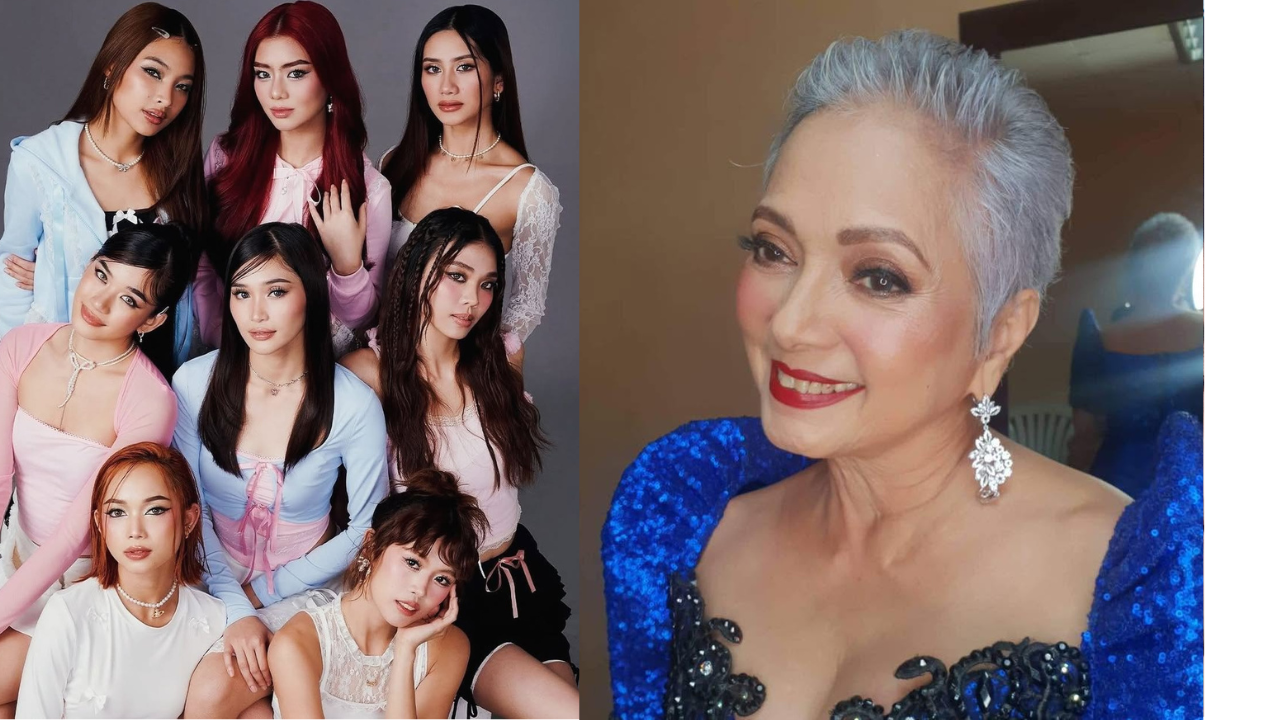
When OPM icon Celeste Legaspi expressed praise for P-pop powerhouse SB19 while admitting she wasn’t particularly drawn to BINI, the reaction from Blooms—BINI’s passionate fandom—was swift. Social media platforms quickly lit up with debates over artistic preferences, generational gaps, and how veteran musicians evaluate modern pop acts.
The discourse surfaced after Legaspi highlighted SB19’s distinct vocal strength and active involvement in songwriting, contrasting it with her commentary on BINI. Fans of the eight-member girl group took to X (formerly Twitter) and online forums to defend BINI’s artistic merit, pointing out their rigorous training, synchronized choreography, live vocal stability, and massive impact on the local music industry.
While some fans called out Legaspi for unnecessarily pitting two successful P-pop groups against each other, others argued that an industry legend is entitled to her personal music tastes. Legaspi, an OPM pillar known for timeless classics like “Saranggola ni Pepe” and “Mamang Sorbetero,” represents an era of Philippine music anchored in traditional vocal arrangements and acoustic storytelling—a stage presence she continues to bring to major cultural productions like The Notebook: The Musical. Modern P-pop, by contrast, thrives on performance-heavy, ensemble-driven entertainment.
The exchange comes at a time when both BINI and SB19 command unprecedented national visibility, shaping broader conversations about contemporary Filipino icons—similar to questions surrounding whether tennis star Alex Eala might join BINI and SB19 as part of the country’s official tourism ambassadors.
Ultimately, the clash highlights the evolving definition of Philippine pop music—where legacy artists and new-generation fans often measure talent through different lenses.