
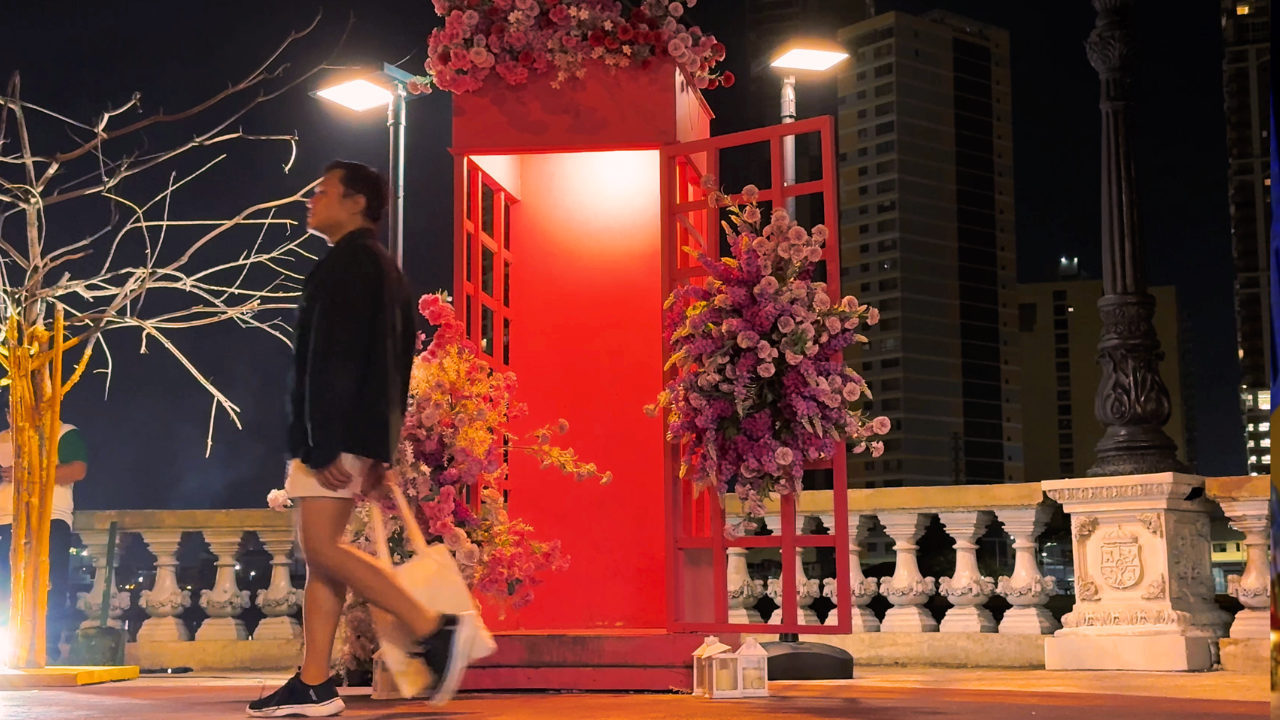
The Pasig River Esplanade Is a ₱32 Billion Bet That Free Space Still Matters
The Pasig River was declared biologically dead in the 1990s. Manila is now spending up to ₱32 billion to bring it back — here’s what that actually buys.
Elsewhere — travel stories based on actual, lived experience. Narrative essays anchored in a place and its socio-economic trade-offs, rather than a straight itinerary, paired with the Economist Traveler video series on YouTube, where the same trips get told again in a different medium. I call it Elsewhere instead of Travel on purpose — the point was never the packing list, it’s what the place is actually about.
The Pasig River was declared biologically dead in the 1990s. Manila is now spending up to ₱32 billion to bring it back — here’s what that actually buys.
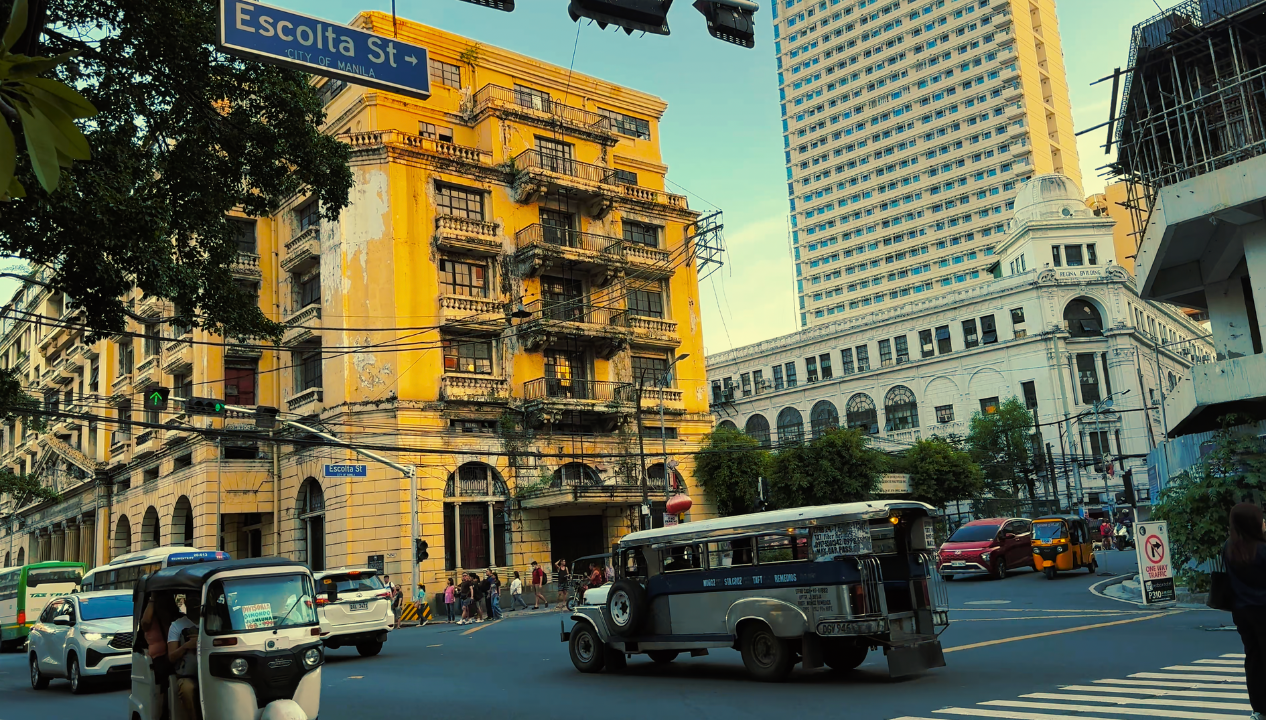
The heat hits you first. Diesel smoke, damp concrete, and the low, heavy hum of a city moving too fast. Step off the LRT-1 — the Light Rail Transit Line 1, the elevated train that’s been cutting through this part of Manila since the 1980s — at Carriedo, and the crowd swallows you whole. This line alone moves several hundred thousand riders across the city every day, and a good chunk of them funnel through this exact station on their way to Quiapo, Divisoria, or Chinatown, none of them looking up at the old buildings, all of them chasing a clock. This used to be where the money lived. Decades ago, this stretch wasn’t just prosperous — it was the financial heart of the Philippines, nicknamed “the Wall Street of the Philippines” back when the Philippine National Bank ran its very first headquarters out of the Masonic Temple a few blocks down. But capital is restless, and the banks eventually packed up their vaults for the air-conditioned towers of Makati and BGC, leaving these blocks …

Cebu Pacific’s hand-carry limit jumps from 7kg to 10kg on September 15 — after years of viral gate-side frustration, and pulling ahead of PAL and AirAsia on the one number budget travelers actually track.

Venice Grand Canal in McKinley Hill gets loud on weekends. On a quiet weekday evening, it’s something closer to what it’s actually selling: an escape that doesn’t need a passport.

Before it was Taguig’s newest Ayala mall, this 74-hectare estate was a Marcos-era food terminal built to stabilize prices for Filipino farmers. Here’s what replaced it.
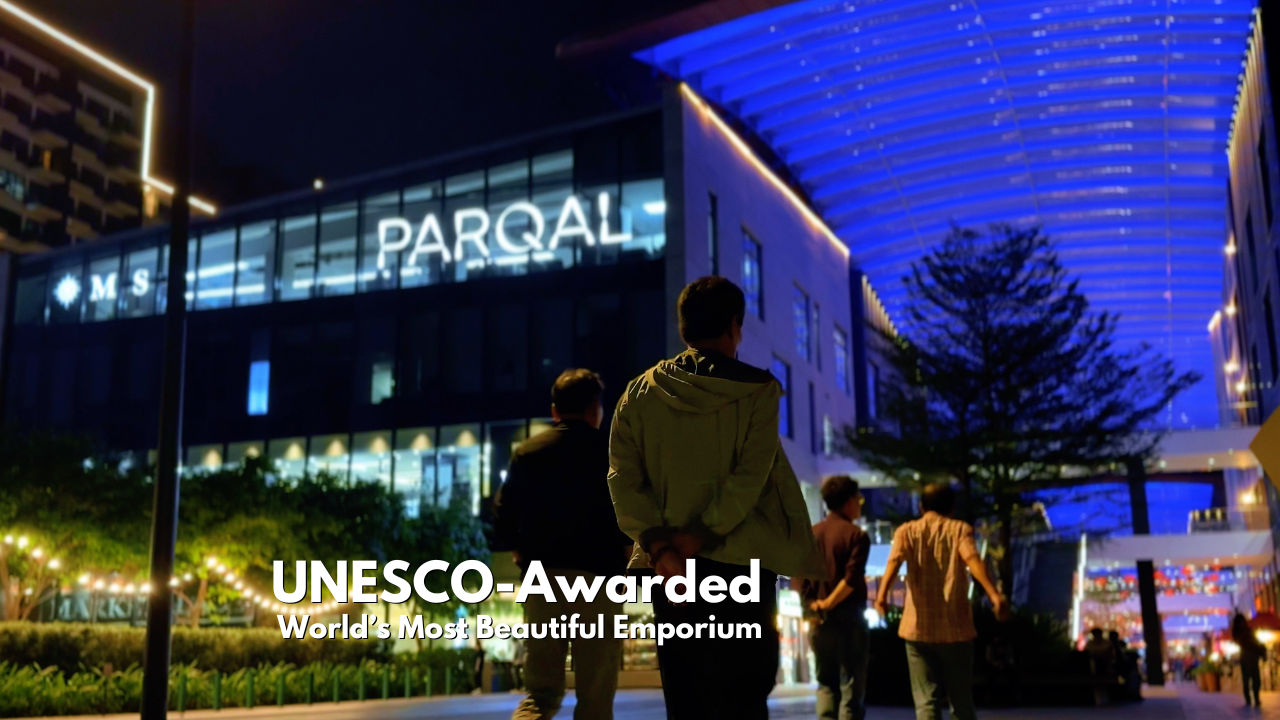
Parqal in Aseana City was built as a five-star green mall meant to make people linger — but Building 5 houses a visa center, and not everyone there wants to stay.

Nearly every guide written about BGC uses the same word: bubble. A subway now under construction beneath it might be the first real crack.
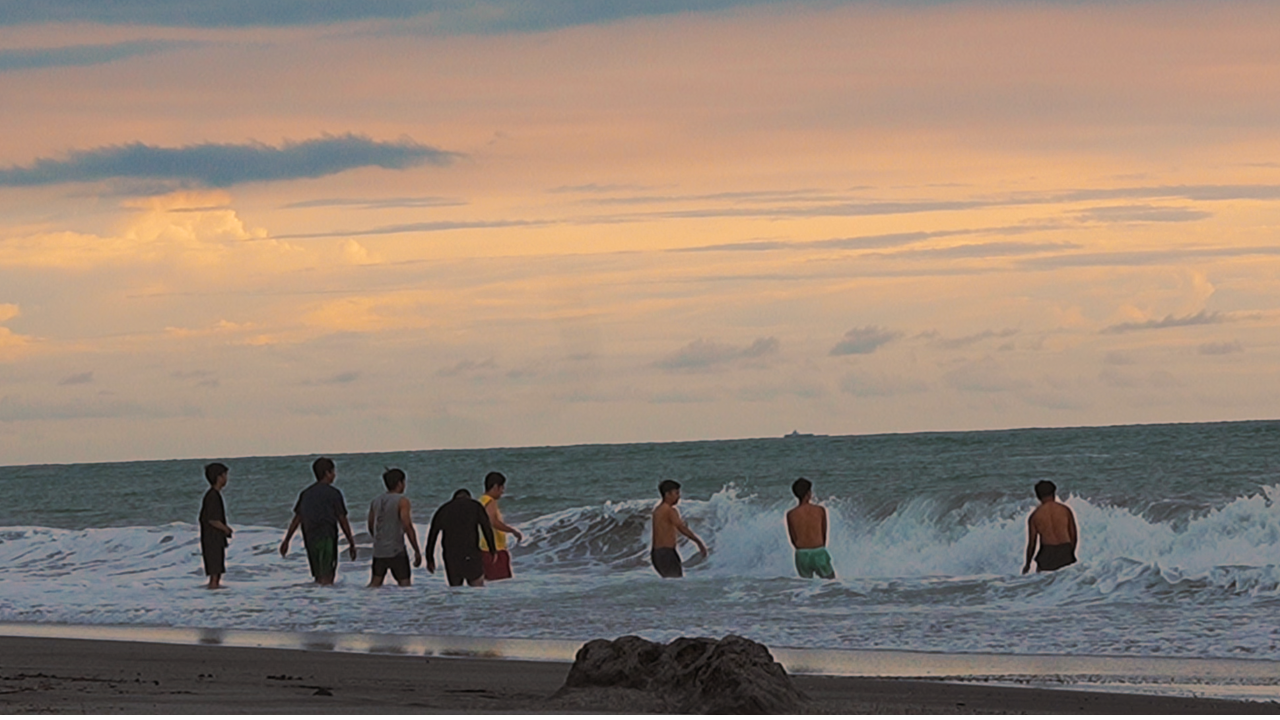
Off-season Zambales trades Boracay-style white sand for black volcanic beaches — and a quieter, cheaper coast worth the detour from Manila.
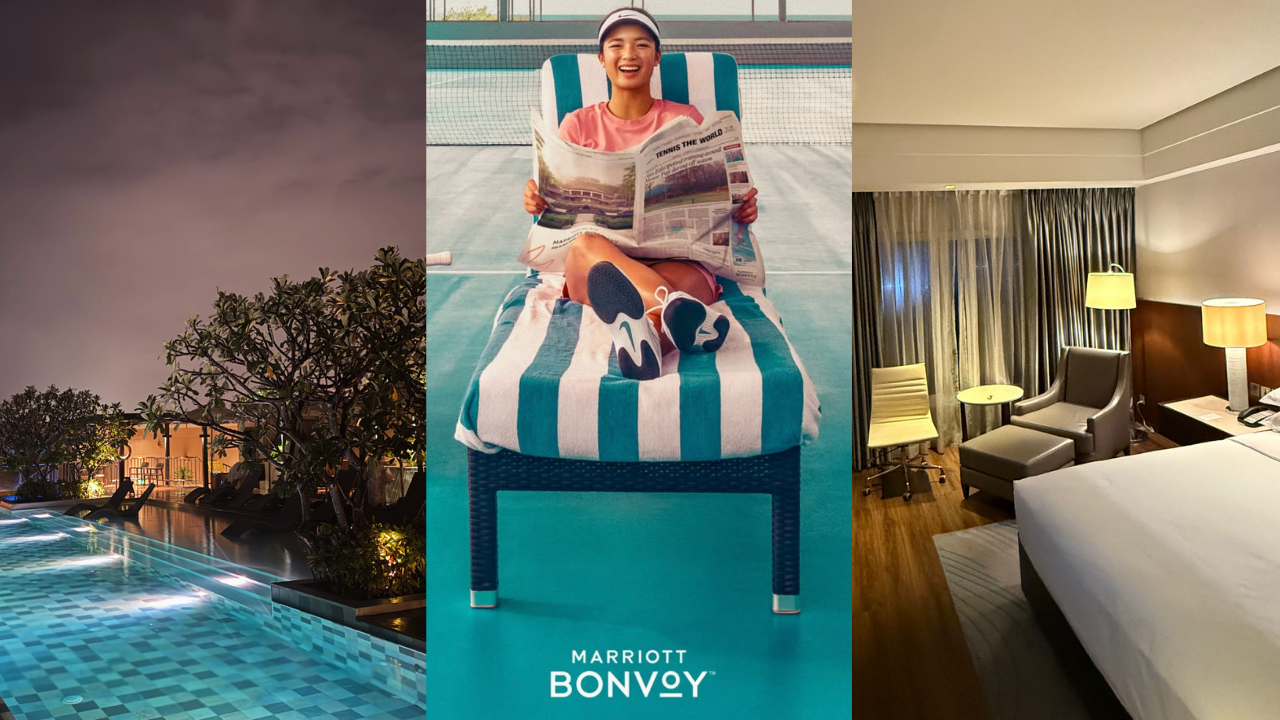
Marriott just made Alex Eala the face of its biggest regional campaign. We’d already tested what that promise feels like in Manila — solo, unsponsored, at full price.
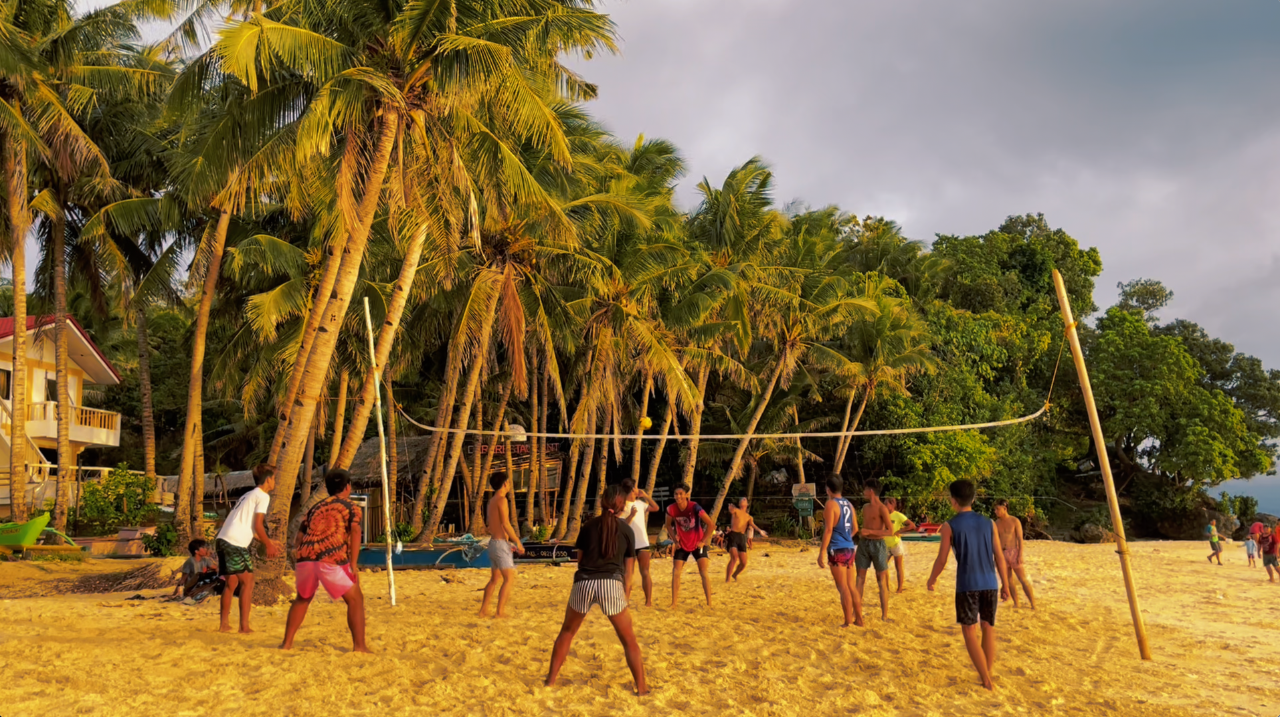
A new tourism chief, BINI and SB19 as ambassadors, a domestic-travel rebrand — and the real question of whether any of it closes the Southeast Asian arrivals gap.