
Hotel Okura Manila earned its first Michelin Key in 2026. Dusit Thani Mactan Cebu Resort lost the one it earned in 2025. Michelin’s own criteria explain most of the gap between winners and near-misses.
Two Philippine hotels moved in opposite directions when Michelin released its 2026 Key selection in September. Hotel Okura Manila, the Japanese brand’s property inside Newport World Resorts in Pasay, earned its first Key, cited for its rooftop pool and distinctly Japanese design. Dusit Thani Mactan Cebu Resort, which had held a Key since the 2025 selection, lost it and dropped back into Michelin’s broader recommended list. The Guide gave no reason for the drop, which is standard practice; Michelin doesn’t explain why a hotel loses a Key or why a recommended one never gets one.
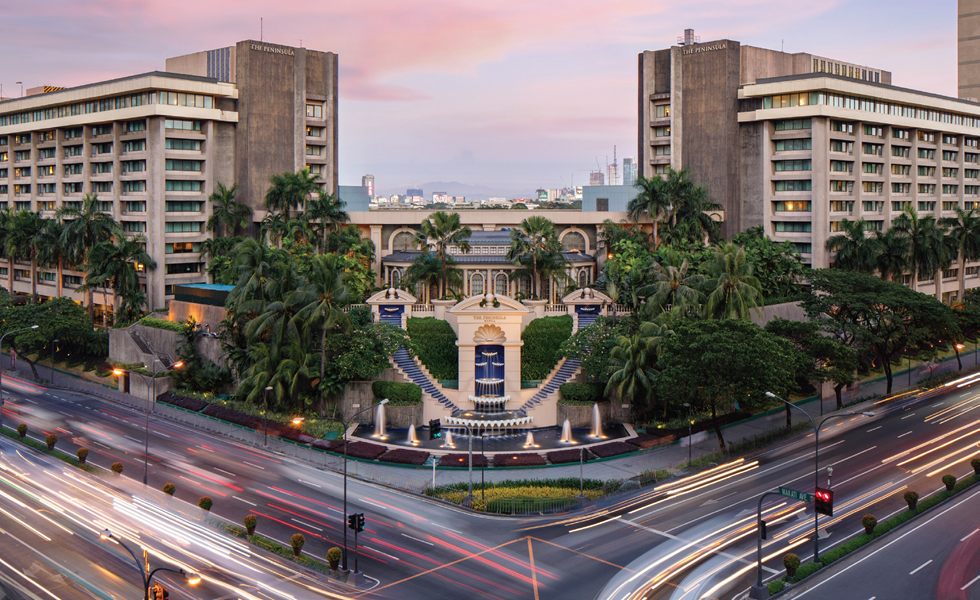
That churn runs through the whole Philippine list. As our full 2026 rundown laid out, 29 Philippine hotels are in Michelin’s recommended selection and nine hold a Key. The 20 without one include many of the country’s most recognizable luxury names: The Peninsula Manila, Shangri-La The Fort, Solaire Resort Entertainment City, Grand Hyatt Manila, The Westin Manila, and Nobu Manila at City of Dreams. Most of the Keys went instead to small resorts on remote coastlines and to a short list of city hotels that do luxury differently.

What the Inspectors Are Scoring
Michelin’s anonymous inspectors grade hotels on five criteria. Architecture and interior design come first. Then come the quality and consistency of service, the hotel’s personality and character, value for the price, and the hotel’s contribution to its neighborhood or setting. The Guide’s own briefing for hoteliers describes that last one as the hotel being an “open door to the destination.”
Michelin says no style or price category is required, and a budget property can qualify. One Key signals “a very special stay”: a place with its own personality that gives guests noticeably more than others in its price range.
Two of the five criteria seem to do most of the sorting in the Philippines: personality and sense of place. In Michelin’s view, as The Post’s explainer summed it up, a great hotel shouldn’t feel like it could be picked up and dropped into another city. Large convention-scale properties tend to be built for exactly that portability. The same brand standards, room layouts, and lobby experience are meant to work identically in Manila and in Singapore.

Who Got Keys, and What They Share
The resort Keys follow a clear pattern. Manami Resort in Sipalay City is 18 villas on a hillside above the Sulu Sea. Amanpulo occupies its own island, Pamalican. Nay Palad Hideaway is in General Luna, Siargao. El Nido Resorts’ Lagen Island, one of the country’s first two Two-Key hotels, was credited for pairing Filipino-inspired interiors with a resort-wide sustainability program. Each is small, hard to reach, and impossible to separate from its setting.
The city Keys show that big hotel groups can still win. Raffles Makati, promoted to Two Keys, and Fairmont Makati, which kept its One Key, both belong to international chains. Hotel Okura is a Japanese brand. What the urban winners share is a sharply defined identity. Raffles runs as an all-suite hotel with personal butler service, a deliberate choice to stay small in a district built on scale. Okura brings a distinctly Japanese design language to Pasay. NUSTAR Hotel Cebu, inside an integrated casino resort, got its Key for contemporary design and its views over the sea and the city.
The Big Names Still Waiting
The Peninsula Manila and Crimson Resort & Spa Mactan were in Michelin’s original six-hotel Philippine selection in 2024, before the Key tier existed here, and neither has earned one since.
A casino address isn’t the obstacle either. Solaire, Nobu, and the Manila Marriott are Keyless, even though the Marriott hosts Michelin’s Philippine restaurant ceremony and sits in the same complex as Okura. NUSTAR, meanwhile, anchors a casino complex in Cebu and has a Key. The more likely factor is the value test. The One Key standard compares a hotel with others in its price range, so a flagship luxury property in Makati or BGC is measured against the most expensive hotels in the region, and each extra ballroom and restaurant outlet makes a single, coherent personality harder to deliver.
The Money Question
Michelin sells hotel rooms through its website and app. When the Key program was announced in 2023, Guide director Gwendal Poullennec told AFP that hotels pay a 10 to 15 percent commission on bookings made there, and he promised that the editorial and sales teams work independently. Nothing suggests the arrangement shaped the Philippine results. Still, it’s worth knowing when a guide that sells rooms also ranks the hotels.
What We Don’t Know Yet
Because inspections are anonymous and Michelin keeps its reasons private, there’s no official scorecard for The Peninsula, Shangri-La The Fort, or Dusit Thani Mactan’s lost Key. This piece compares the Guide’s stated criteria with the results; it doesn’t report inspectors’ verdicts on individual hotels. Poullennec credited this year’s global jump to projects “even more creative and ambitious” than before. Which Philippine hotels fit that description will show up in the next Key selection, which is separate from the October 29 restaurant ceremony.