
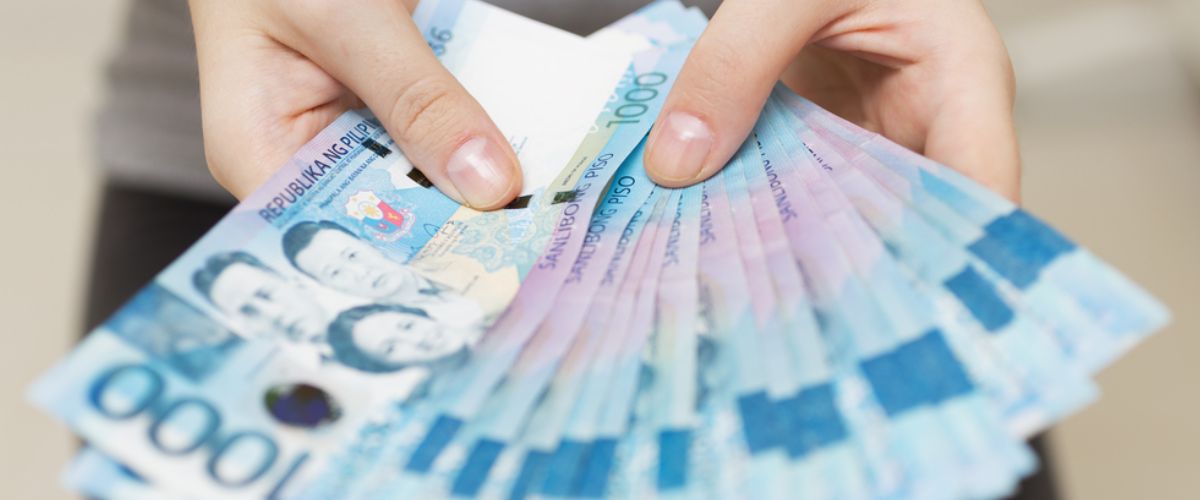
For many Filipino workers, the 13th month pay is spoken for before it is paid. It covers Noche Buena, gifts, the trip home, and the installment that started in September. Then January arrives with tuition, rent and renewals, and nothing left to pay them. Half of Filipinos told the credit bureau TransUnion in late 2025 that they planned to spend less on the holidays than the year before, and personal loans and buy now, pay later plans drove most of the borrowing it tracked.
What the Law Requires
The 13th month pay comes from Presidential Decree No. 851, issued in 1975. It covers rank-and-file employees in the private sector who worked at least one month in the calendar year, whatever their status and however they are paid. Managers are not covered, and government workers receive a year-end bonus under separate rules.
The amount is at least one-twelfth of the basic salary earned during the year. Overtime, holiday pay, night shift differential, cost of living allowance and the cash value of unused leave are left out unless the company treats them as part of basic pay. As an illustration, someone earning ₱20,000 a month for the full year gets ₱20,000. Someone hired in June at the same pay gets about ₱11,667 for seven months.
It must be paid on or before December 24. The Department of Labor and Employment (DOLE) restates the rules every year and does not allow exemptions or deferment. Employers may release half earlier, and DOLE has encouraged them to pay ahead of the deadline. Workers who resign or are let go before December are owed a prorated amount.
The ₱90,000 Line
Under the Tax Reform for Acceleration and Inclusion (TRAIN) law, the 13th month pay and other benefits of the same kind, such as Christmas and productivity bonuses, are tax-free up to ₱90,000 a year combined. Only the amount above that ceiling is taxed. The ₱90,000 covers all of them together for the year. The cap was ₱30,000 in 1997, ₱82,000 in 2015 and ₱90,000 from 2018. Several House bills filed this year would raise it to ₱150,000, and a House committee has backed a higher cap; none has become law.
Why It Runs Out
The 13th month pay arrives once, in the most expensive month of the year, and it is often treated as extra money rather than as part of a year’s income. Prices make that harder: inflation rose to 7.8 percent in October, up from the 7.2 percent in September that we covered in October. And any installment taken out against it since September is already a claim on it.
What We Don’t Know
DOLE usually issues its 13th month advisory in November, and the 2026 advisory was not out when this was written. This column does not know how your employer computes basic pay or what other bonuses you receive, which decide whether you cross the ₱90,000 line. It is educational, not tax or financial advice.
The Questions Worth Asking Your Household
When does your employer release it, and in one payment or two?
How much of it is already promised to installments, loans or buy now, pay later plans?
Do your 13th month pay and other bonuses together go past ₱90,000?
What does January cost your household: tuition, rent, renewals, premiums?
If anyone in the family is leaving a job before December, have they asked for the prorated amount?
Should you have questions regarding your Life Insurance policy or how to get covered, feel free to message me on my socials or email me at elyvalendez[at]gmail[dot]com.
What If runs every Monday.