
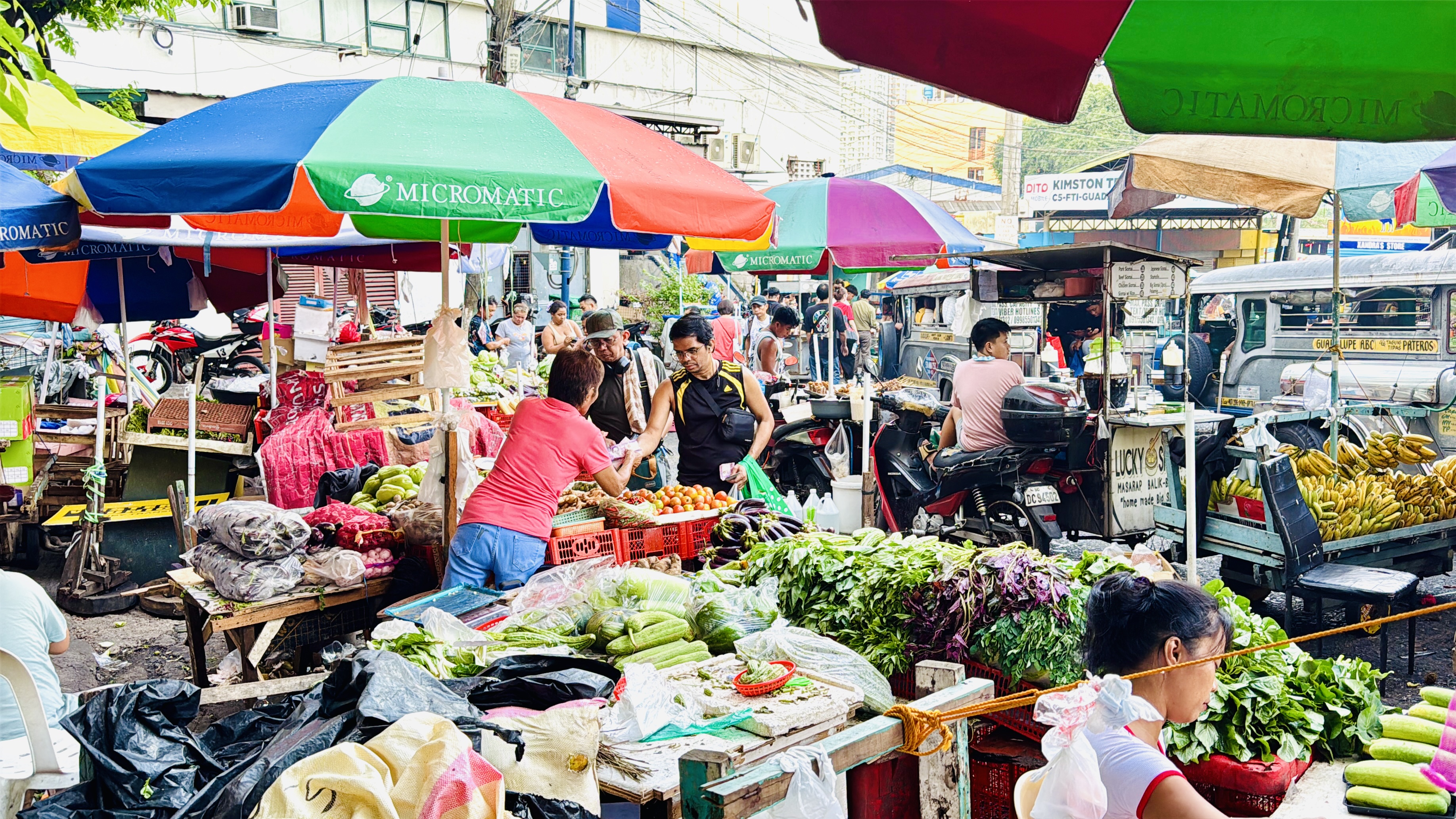
A year ago, in September 2025, Philippine inflation was 1.7 percent. In September 2026 it was 7.2 percent, up from 6.1 percent in August, according to the Philippine Statistics Authority (PSA), the government’s statistics agency. Inflation is the pace at which prices rise from a year earlier, so at 7.2 percent, something that cost ₱1,000 last September costs about ₱1,072 now.
What Pushed It Back Up
Food and non-alcoholic beverages rose 6.7 percent from a year earlier in September, up from 4.6 percent in August. Rice was already running at 19.4 percent in August. The forecast of a very strong El Niño, which we covered earlier this month, points the same direction for food costs.
What the Central Bank Is Doing
The Bangko Sentral ng Pilipinas (BSP), the country’s central bank, has raised its benchmark interest rate three times this year, starting in April, by 75 basis points in total, to 5 percent in August. A basis point is one hundredth of a percentage point. The BSP expects inflation to average 6.1 percent this year and 5.4 percent in 2027, and to return to its 2 to 4 percent target range only in 2028.
Where the Arithmetic Bites
In early September, with the benchmark rate at 5 percent and inflation above 6 percent, GlobalSource Partners, an economic research firm, pointed out that real interest rates, meaning the rate minus inflation, were still negative. The same arithmetic applies to any household balance. When prices rise faster than the interest earned, the money buys less each year even as the number on the statement grows.
This column does not know what your own account pays. That figure, set against 7.2 percent, is the comparison that matters.
Who Feels It First
When inflation reached 7.2 percent in April, the PSA reported 8.5 percent for the poorest 30 percent of households. Food accounted for more than half of that increase.
What Is Forecast and What Is Certain
The BSP’s projections are forecasts. When it raised rates in August, it named oil prices, a possible El Niño-driven rise in food costs and wage adjustments among the risks. Its own baseline still has average inflation above its 4 percent ceiling in both 2026 and 2027, and if those risks turn out worse than expected, the numbers go higher, not lower.
The Questions Worth Asking Your Household
Where does your money sit, and what does it earn? Write down the interest rate on each account and set it against 7.2 percent.
Which of your costs are rising fastest? Rice, fuel and electricity move differently, so your household’s inflation rate may not match the national one.
Does your income move with prices? Some salaries, rents and contracts reset every year and others stay fixed.
How many months of basic expenses does your emergency fund cover, at today’s prices? A target set a year ago was priced against cheaper groceries and bills.
The BSP’s own projection keeps inflation above its ceiling through 2027, so these questions will still apply next year.