

National Cinema Day Packed the Seats. The ₱330 Question Comes Next.
Philippine National Cinema Day packed cinemas nationwide at ₱100, timed to the 107th anniversary of the first Filipino feature film. What a full house proves — and doesn’t.
Philippine National Cinema Day packed cinemas nationwide at ₱100, timed to the 107th anniversary of the first Filipino feature film. What a full house proves — and doesn’t.
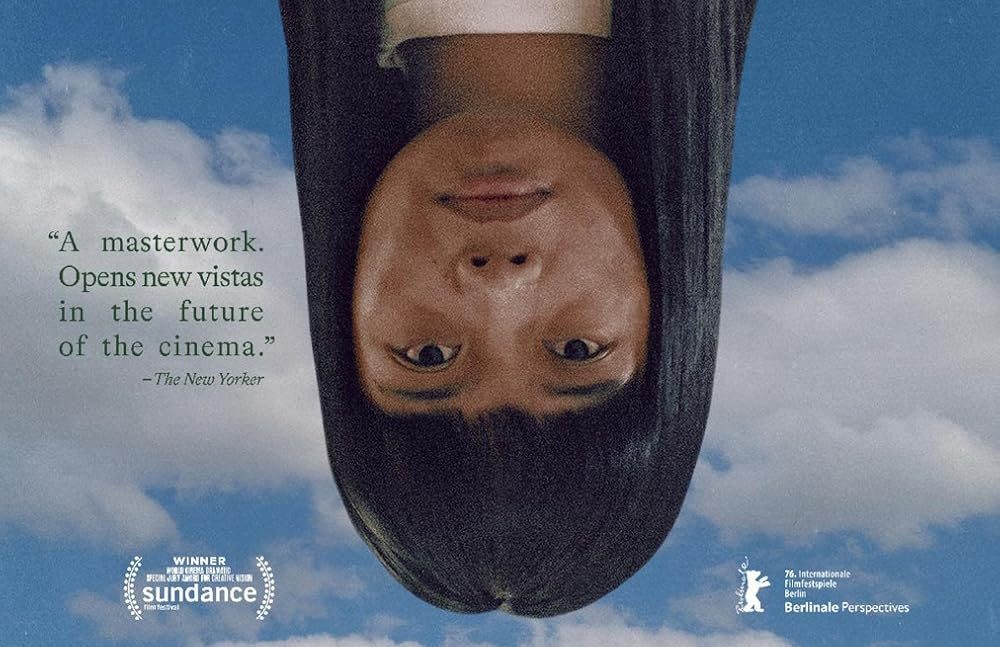
The Philippines has its official entry for the 99th Academy Awards, and it’s the film that closed Cinemalaya three weeks ago. Rafael Manuel’s Filipiñana was named the Philippines’ submission to the Best International Feature Film category — the category through which countries each submit one non-English-language film for Oscar consideration — the Film Academy of the Philippines (FAP) announced Sunday, September 13. A National Selection Committee picked it from a shortlist of eight films. The FAP is backing two more Philippine Oscar campaigns from the same announcement: Carl Joseph Papa’s 58th, an animated docudrama on the 2009 Maguindanao Massacre, for Best Documentary Feature Film, and Agapito, from directors Arvin Belarmino and Kyla Danelle Romero, for Best Live-Action Short Film. All three compete in separate categories judged independently — Filipiñana isn’t the country’s only Oscar bid this cycle, just the one with the highest profile. Viewers who caught it as the closing film of this year’s Cinemalaya had already seen the version of this film that made its case internationally, before a single Oscar committee weighed …

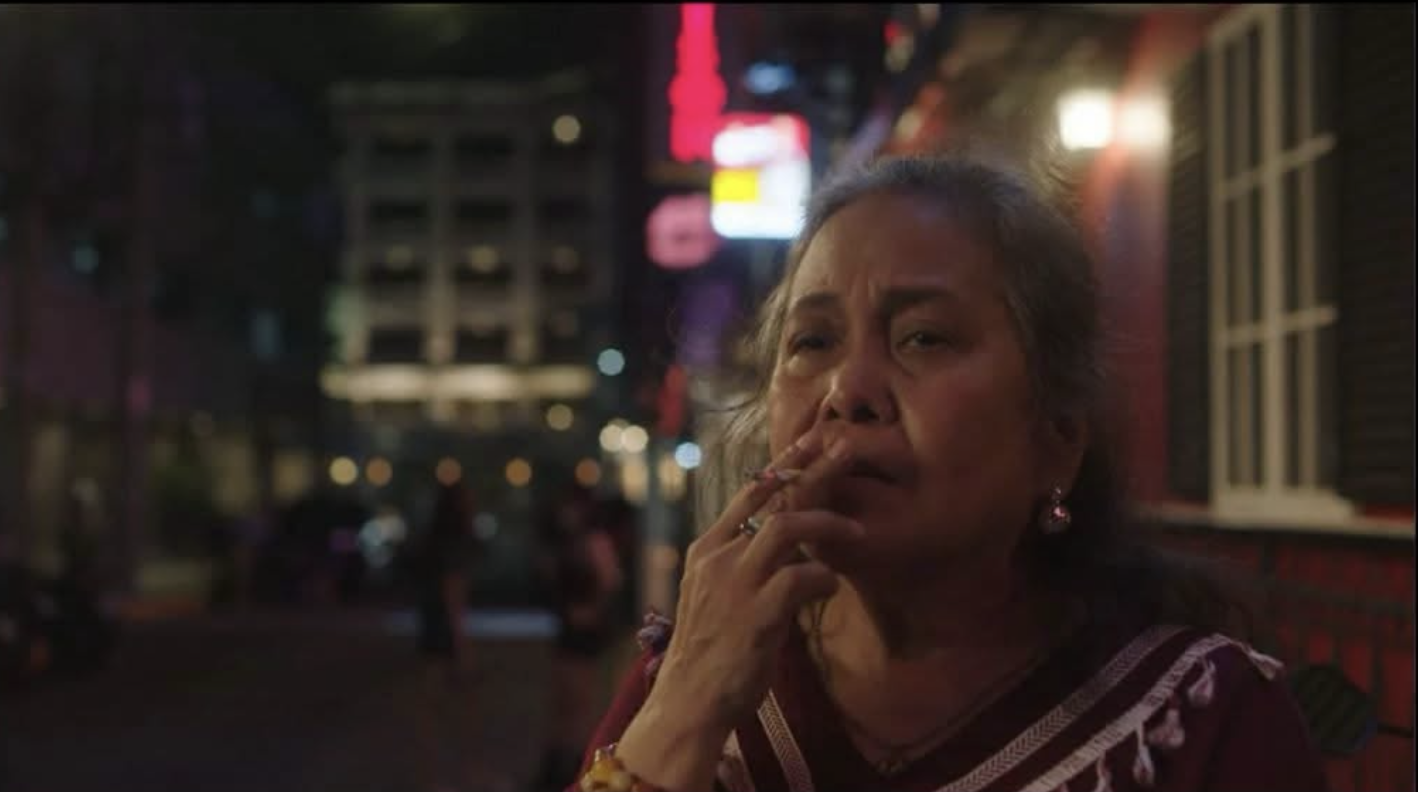
Australia has picked its Oscar horse, and it’s carrying a Filipino passport. “First Light,” the feature debut of Filipino-Australian filmmaker James J. Robinson, has been selected as Australia’s official submission for Best International Feature Film at the 2027 Academy Awards — the category through which countries submit one non-English-language film each year for Oscar consideration. It’s the first Filipino-Australian co-production ever made, and the first Tagalog-language film Australia has submitted in the category’s history. Leading it is Ruby Ruiz, a veteran Filipino actress who has spent over four decades working the margins of Philippine cinema in character and supporting roles before this became, in her own words on Instagram, her first international lead. The story Shot largely in Baras, Rizal, with additional filming in Metro Manila, “First Light” follows Sister Yolanda, a nun whose quiet devotion unravels after a construction worker under her care dies under suspicious circumstances. As she pushes for answers, she runs into resistance from both the Church and the state — institutions that would rather the story stay buried. Australia’s selection …

Filipino filmmaker Lav Diaz has won the Brian Award at the 83rd Venice International Film Festival for “Let Us Through, Dear Ancestors” (“Makikiraan Po”), a collateral prize given to the film that best embodies the festival’s spirit of rationalism, human rights, and pluralism. The Brian Award, known in Italian as Premio Brian, has been presented since 2006 by the Italian Union of Rationalist Atheists and Agnostics (UAAR), a secularist advocacy group affiliated with the global network Humanists International. Named for the Monty Python film “Life of Brian,” the prize goes to whichever film screened at Venice that year most strongly advances values the UAAR champions: rationality, freedom of conscience, and equal treatment regardless of sex, gender identity, sexual orientation, or religious belief. “Let Us Through, Dear Ancestors” is set in 1617, during the height of Spain’s colonization of the Philippines. Bart Guingona plays Padre Enciso, a Spanish friar overseeing the construction of a church who sends his son, Dungwen — played by Christian Bables — to move limestone through territory where native communities are still …

Jerrold Tarog’s Quezon leads the 49th Gawad Urian nominations with 10 nods, while Antoinette Jadaone’s Sunshine follows with 8. Oscar entry Magellan gets sidelined by local critics.
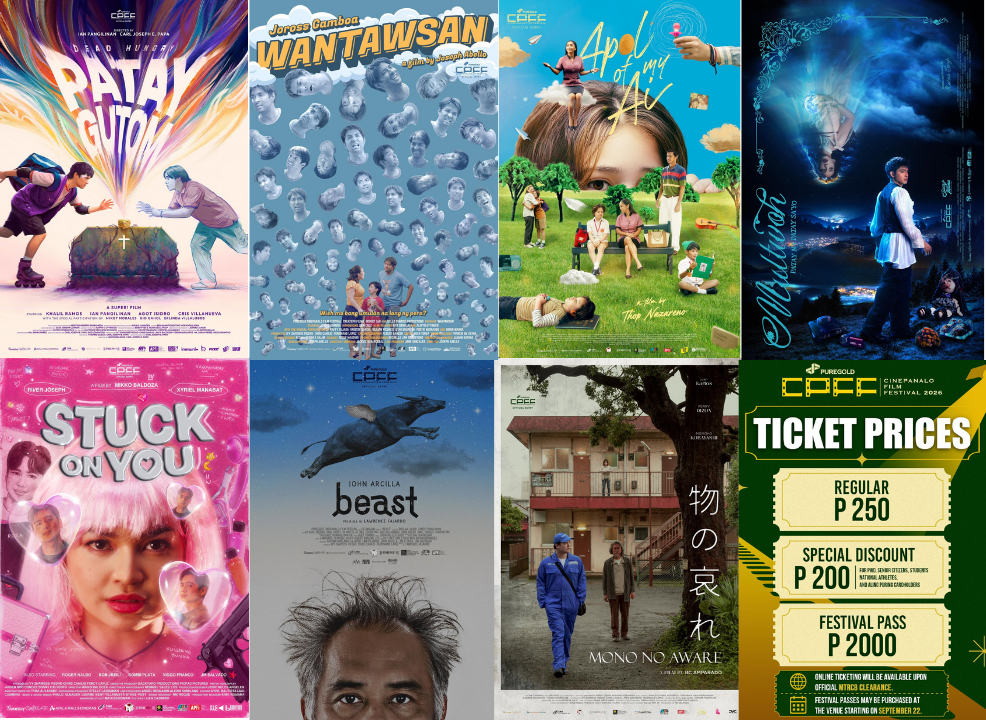
With ₱5 million production grants for seven feature films, zero genre boundaries, and a Metro Manila cinema rollout from September 23 to October 4, Puregold CinePanalo 2026 is testing whether retail revenue can build a sustainable pipeline for independent Filipino cinema.
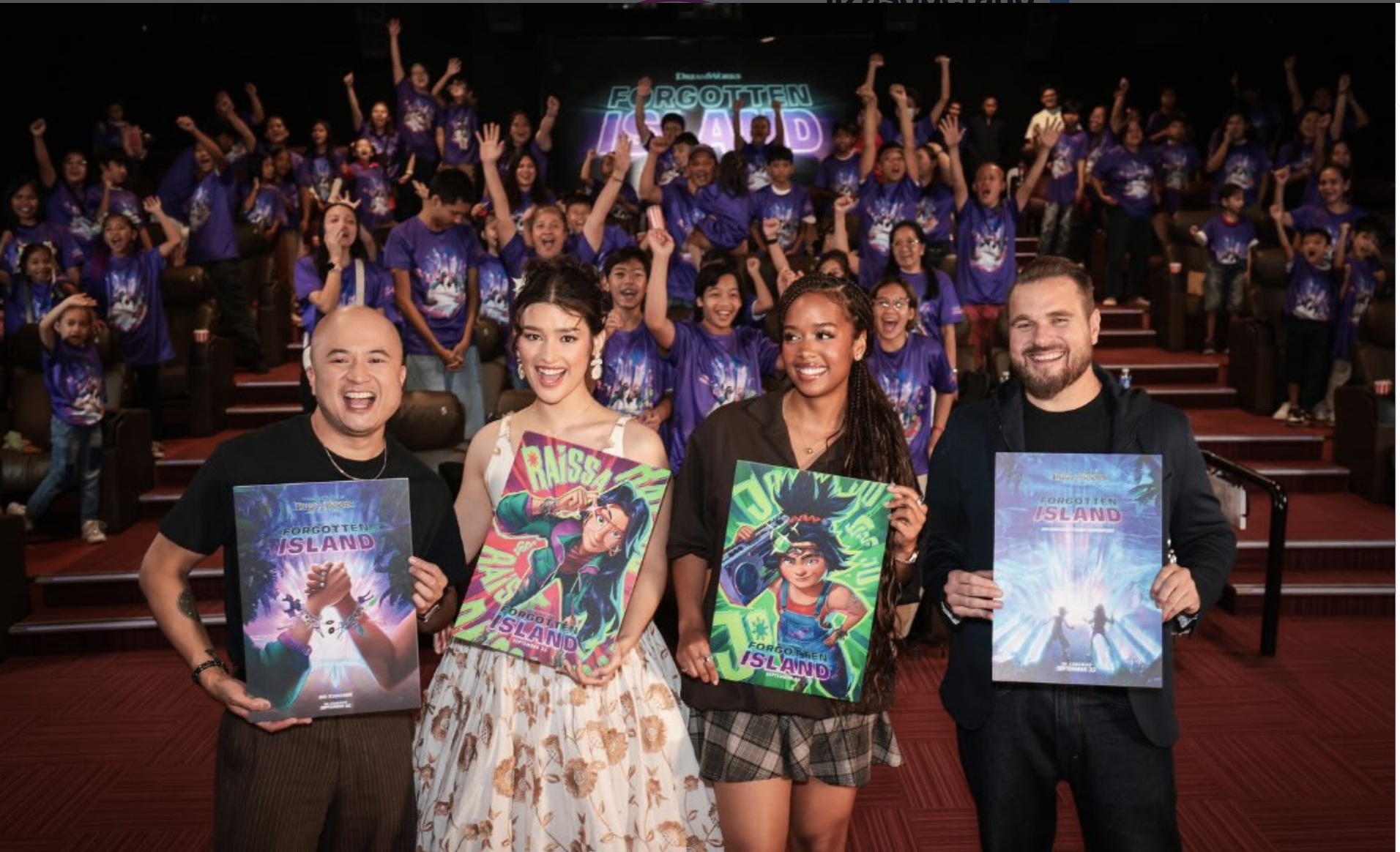
On the Manila leg of the “Tayo Na Tour,” Liza Soberano, H.E.R., and Januel Mercado brought DreamWorks’ Forgotten Island home—proving that untranslated Tagalog, 1990s nostalgia, and local mythology belong at the center of global cinema.

Days before Elijah Canlas opens as a martyred activist in “Edjop,” Regal completes his road trip comedy’s cast with Cup of Joe’s Gian Bernardino.

A fan-built database promised to make Cinemalaya more accessible. Filmmaker Dustin Celestino says it’s doing that by linking straight to pirated films.
Metro Manila has spent most of August under Habagat — the southwest monsoon that floods the city’s streets on a schedule closer to weekly than seasonal — and people have still been crossing town for Cinemalaya. The past week’s heavy weather hasn’t stopped Filipinos from flocking to malls and theaters for this year’s lineup, ticket-runs and all. That’s not a small detail for a festival built on films most of its audience had never heard of a month ago. Cinemalaya — the Cultural Center of the Philippines’ independent film festival, now in its 22nd year — is having its longest run ever this August: 13 days, August 6 to 18, up from its usual Friday-to-Sunday weekend format, screening nine full-length films and 10 shorts across Shangri-La Plaza, Ayala Malls, and Gateway Cineplex. The Balanghai Trophy — the festival’s award, named for the balangay, the plank-built outrigger boat early Filipino seafarers used to move between islands — goes out August 17. Results aren’t in yet as of this writing. [Update: See the results below]. That timing …