
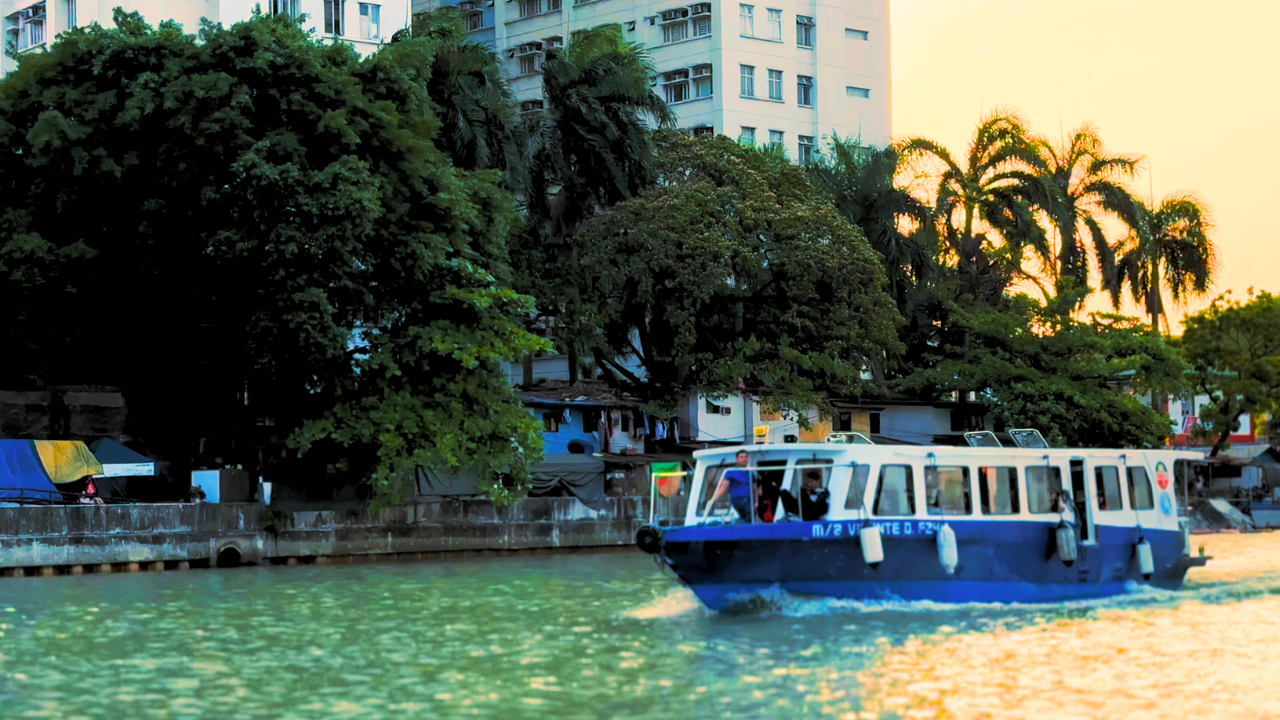
The Pasig River Ferry Is Free. Almost Nobody’s on It.
Manila has a free, working ferry down the Pasig — and most of the city still doesn’t ride it, even as diesel prices keep climbing.
Manila has a free, working ferry down the Pasig — and most of the city still doesn’t ride it, even as diesel prices keep climbing.
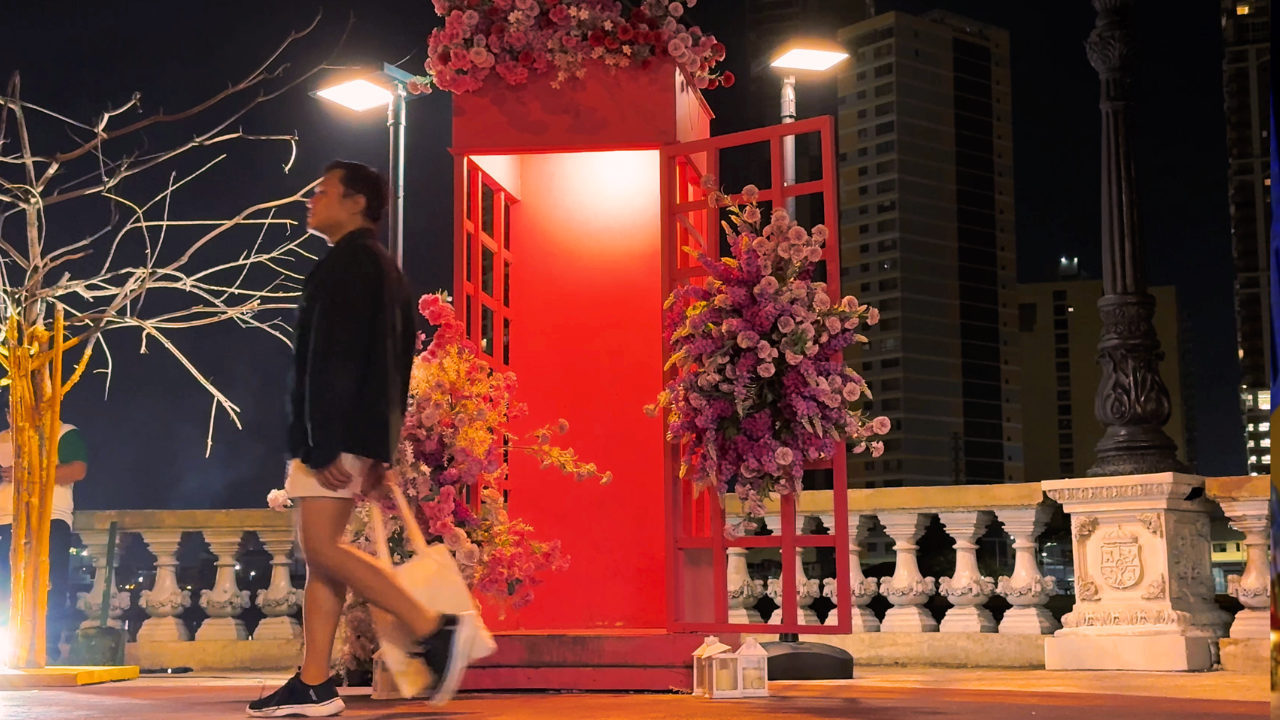
The Pasig River was declared biologically dead in the 1990s. Manila is now spending up to ₱32 billion to bring it back — here’s what that actually buys.
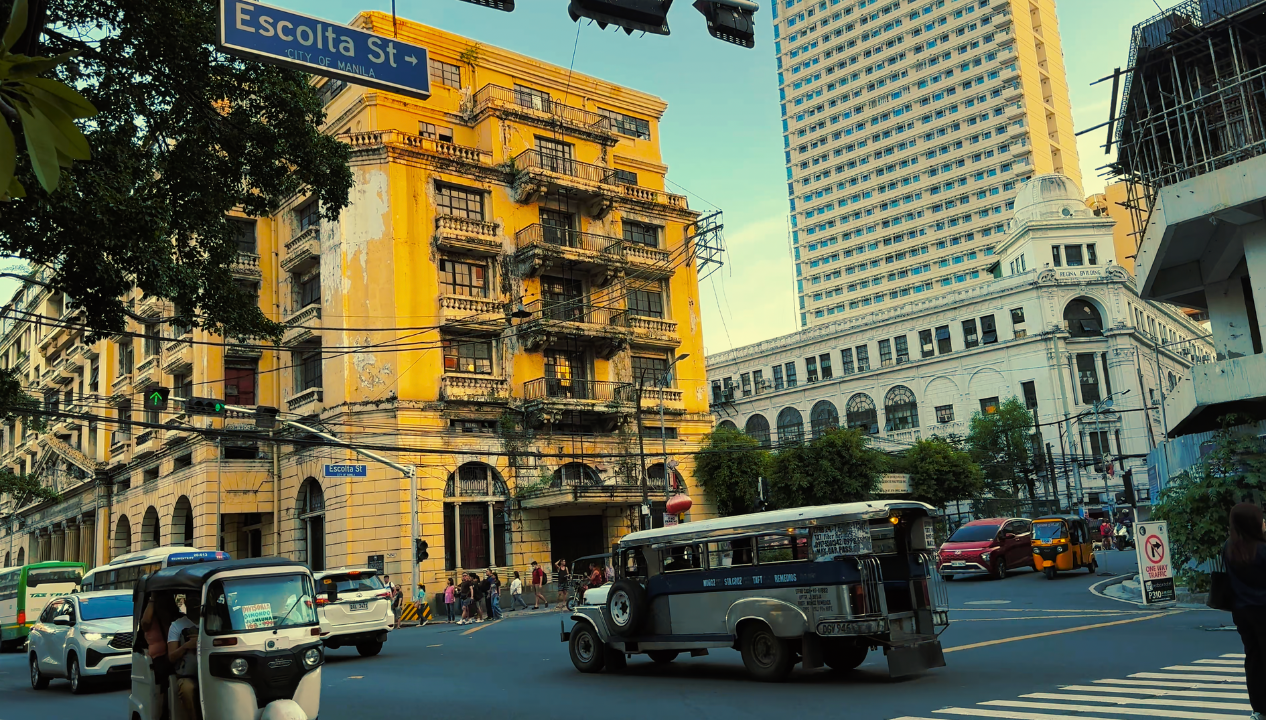
The heat hits you first. Diesel smoke, damp concrete, and the low, heavy hum of a city moving too fast. Step off the LRT-1 — the Light Rail Transit Line 1, the elevated train that’s been cutting through this part of Manila since the 1980s — at Carriedo, and the crowd swallows you whole. This line alone moves several hundred thousand riders across the city every day, and a good chunk of them funnel through this exact station on their way to Quiapo, Divisoria, or Chinatown, none of them looking up at the old buildings, all of them chasing a clock. This used to be where the money lived. Decades ago, this stretch wasn’t just prosperous — it was the financial heart of the Philippines, nicknamed “the Wall Street of the Philippines” back when the Philippine National Bank ran its very first headquarters out of the Masonic Temple a few blocks down. But capital is restless, and the banks eventually packed up their vaults for the air-conditioned towers of Makati and BGC, leaving these blocks …

Somewhere in Metro Manila this morning, someone is posting a photo of coffee by the window, captioned with some version of ang ganda ng weather, sana all pahinga. Not far from that window, a family in Rizal is arranging a wake for someone the floodwater took over the weekend. Somewhere else — Benguet, maybe, or a low-lying barangay along the Marikina — people are standing on a roof right now, watching the water climb, waiting for a rescue boat that hasn’t come yet. I’m not writing this as either of those people. I’m the guy in between — the one who got mildly, expensively, embarrassingly inconvenienced last night trying to get home, and who’s uncomfortable enough about that to actually sit with why. The Weather Is Not the Same Weather for Everyone Here’s the thing about a red rainfall warning: it describes rainfall, not risk. On paper, everyone under it gets the same millimeters. In practice, “bad weather” means a cancelled outdoor lunch for one person and a flooded sari-sari store for another, sometimes on …

There’s an old saying that as long as you can find your way to Cubao, you’ll never truly be lost in the Philippines. Everyone, it seems, passes through here eventually. Fold a map of the country in half, and the crease lands almost exactly on this stretch of Quezon City. The Machine at the Center Cubao isn’t just a junction where two train lines cross. It’s the country’s clearing house — a place where buses from the Cordillera mountains idle beside long-haul liners from the south, while jeepneys from the eastern valleys pour their passengers straight into the diesel-thick air of the highway. Nobody really stays in Cubao. Everyone is passing through, moving fast, trying to avoid getting stuck. The whole district runs on an economy of speed: how quickly you can tap a transit card, how efficiently you can wedge yourself onto a crowded platform. It’s a system built to move millions of bodies a day — and it was never designed with anyone’s individual comfort in mind. A Reputation Earned the Hard Way …