
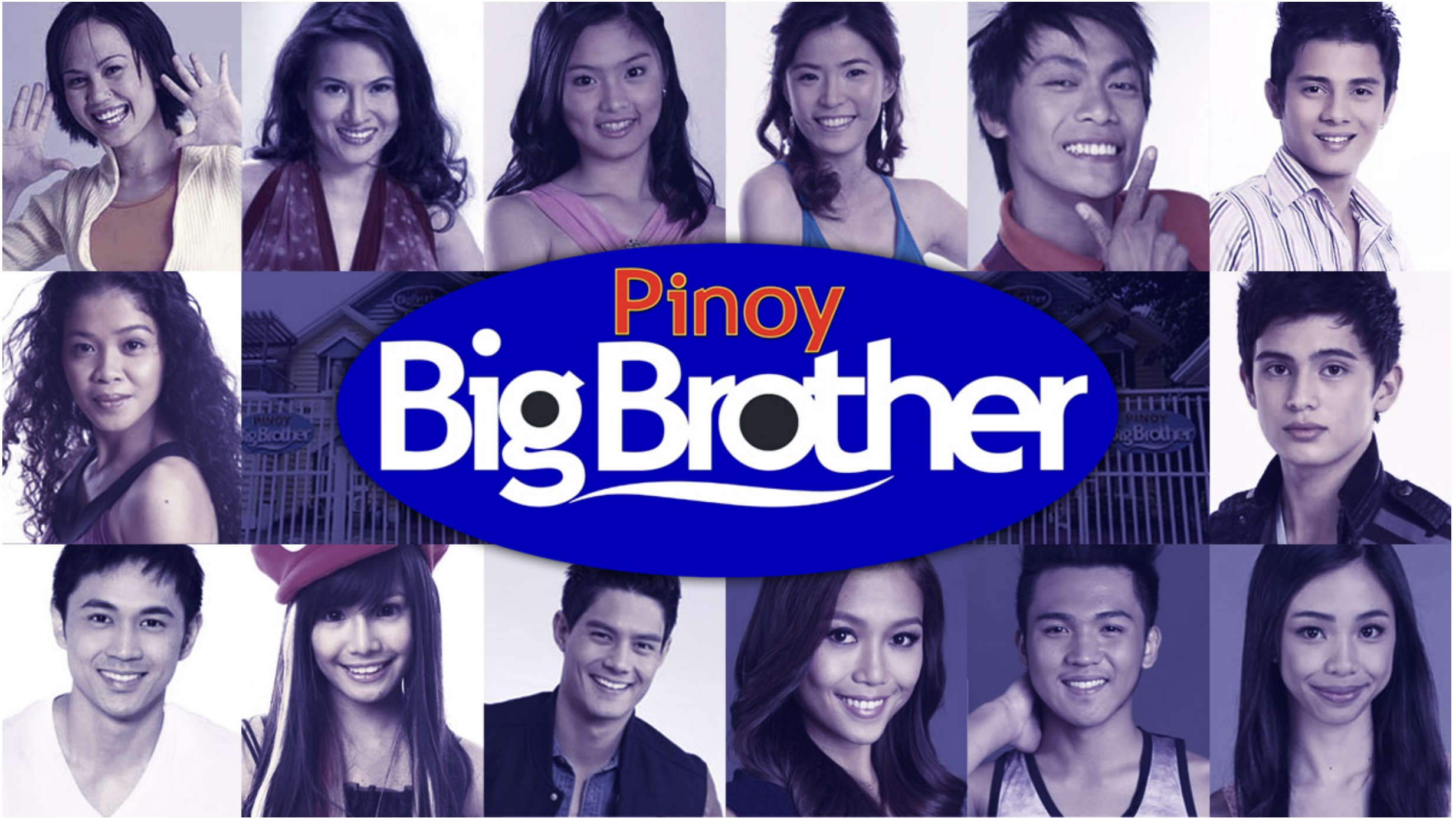
For twenty-one years, “Pinoy Big Brother” — the Philippine adaptation of the Dutch reality format Big Brother, and the country’s first locally produced reality show when it premiered on ABS-CBN on August 21, 2005 — ran out of the same address: a compound on Eugenio Lopez Drive in Quezon City, built for twelve strangers and a live feed. Today is that anniversary exactly, twenty-one years on, and the franchise doesn’t have a house to mark it in. That house closed for good in February, when “Pinoy Big Brother: Celebrity Collab Edition 2.0” — the franchise’s nineteenth overall season — wrapped its 127-day run and crowned Caprice Cayetano and Lella Ford as the last housemates to walk out those particular doors. Now the franchise is casting for a house that doesn’t exist yet, and Filipinos are lining up anyway.
Auditions for “Pinoy Big Brother Collab Edition 3.0” opened August 14 and close August 31 — a one-minute video, ages 18 to 35, submitted through joinnow.ph/PBBCollab. It’s the third season produced jointly by ABS-CBN and GMA Network, the country’s two biggest broadcasters and, for most of PBB’s history, direct competitors. The first two Collab seasons cast celebrities against each other, an intentional novelty for the show’s 20th anniversary last year. This one goes back to strangers: ordinary Filipinos, unbuilt house, same pitch the franchise has been making since Nene Tamayo won the very first season in December 2005. Social media has responded the way it always does — with a wave of joke “acceptance emails” and mock audition tapes, the kind of bit that only works because everyone recognizes the fantasy underneath it.
That fantasy has now outlasted a locked TV network, a rival broadcaster turned production partner, and the actual building. Nineteen seasons and twenty-one years in, the format should have gone stale. It hasn’t, and the reason isn’t the house — it never was.
The House Was Never the Point
What “Pinoy Big Brother” has always been selling isn’t fame. It’s the possibility of it — the idea that an unremarkable person can walk into bahay ni Kuya (“Kuya’s house,” the show’s central set, named for its unseen host-figure “Big Brother”) as a stranger and leave as someone the whole country has an opinion about. The housemates were never introduced as people who’d already made it. They came in as a student on scholarship, an OFW’s kid, someone from the province with one shot at something bigger — cast not for polish but for the size of the gap between who they were on day one and who the audience might decide they’d become.
The clearest proof of how long that formula holds isn’t abstract. In 2006, “PBB: Teen Edition” paired housemates Kim Chiu and Gerald Anderson, and the show turned their on-camera chemistry into one of Philippine television’s biggest love teams. Nineteen years later, in June 2025, Anderson walked back into the house as a celebrity guest on “Celebrity Collab Edition” and ended up explaining to a sixteen-year-old housemate, Charlie Fleming, what year his own season had aired — because Fleming hadn’t been born yet. The house had been running long enough to outlive an entire generation’s memory of the people who first made it famous.
Chiu, who won that 2006 season, now co-hosts the current era of the show alongside Melai Cantiveros, herself a Big Winner of “PBB: Double Up” back in 2010. Between them, two of the franchise’s own discoveries have spent most of two decades on both sides of the format — first as the ones being watched, now as the ones fronting the cameras. The house doesn’t just produce new faces. It recycles its own into the machinery that keeps producing more.

Watching Strangers Like Neighbors
That casting instinct — sizing people up on reputation, sympathy, and the small tells that separate real from performed — isn’t unique to reality TV, but PBB gave it a national stage and a formal audience. The house functions like an exaggerated version of a barangay: everyone eventually becomes a character in someone else’s story, whether they wanted the role or not. Viewers don’t just watch the tasks. They track who’s kind under pressure and who’s kind on camera, and the gap between those two things has ended more than one housemate’s run before the votes ever came in.
That closeness curdles fast, though. The same audience capable of real tenderness toward a homesick eighteen-year-old can turn a single bad night into a permanent character judgment, replayed in highlight reels long after the context is gone. It’s the same contradiction Filipino social life runs on outside the house — deep communal warmth sitting right next to a habit of relentless, semi-public appraisal — except PBB puts it under lights and calls it entertainment.
The Pipeline Still Works
It’s also still paying off in ways that have nothing to do with nostalgia. Dustin Yu and Bianca De Vera met inside a Celebrity Collab season and are now headlining an original film together as DustBia — a tandem that filled New Frontier Theater for a solo fan meet without a single acting credit between them when they first walked into the house. The franchise isn’t running on twenty-one-year-old memory alone. It’s still functioning as the industry’s most reliable pipeline from stranger to career, one collab season at a time.
Nineteen Seasons In, the Search Hasn’t Changed
What makes the format durable isn’t that it found a stable formula and kept it — it’s that the search itself never got old. Every viewer watching a new batch of housemates is quietly running the same test: who’s being real, and who’s just good at looking real on a live feed. Nobody actually resolves that question, which is exactly why people keep tuning in expecting to. It’s the same negotiation between the self you have and the self you’re presenting that everyone runs outside a TV house — PBB just makes it visible, nightly, for however many months a season decides to last.
And underneath the meme audition tapes and the fake acceptance-email jokes clogging timelines every time casting opens, there’s a real question doing the work: what if it were me? Not “what if I got famous,” but “what if someone actually paid attention.” That’s a small, ordinary thing to want, and it’s the reason a franchise turning twenty-one today, with no house to its name, can still pull thousands of one-minute videos in two and a half weeks.
The building on Eugenio Lopez Drive is gone. The next one hasn’t been shown to anyone yet. Somewhere between now and whenever those doors open, a new batch of strangers will walk through them anyway — betting, the way every batch before them did, including the two now hosting the show, that the country is still willing to watch.
Pingback: Elijah Canlas’s Next Role Isn’t a Fight. It’s a Road Trip. | ELYSPLANET
Pingback: The Fandom Olympics: What Star Magic Is Really Selling | ELYSPLANET
Pingback: VR Relosa: Before the Vivamax King, There Was the Boy Who Slept at McDonald’s | ELYSPLANET