
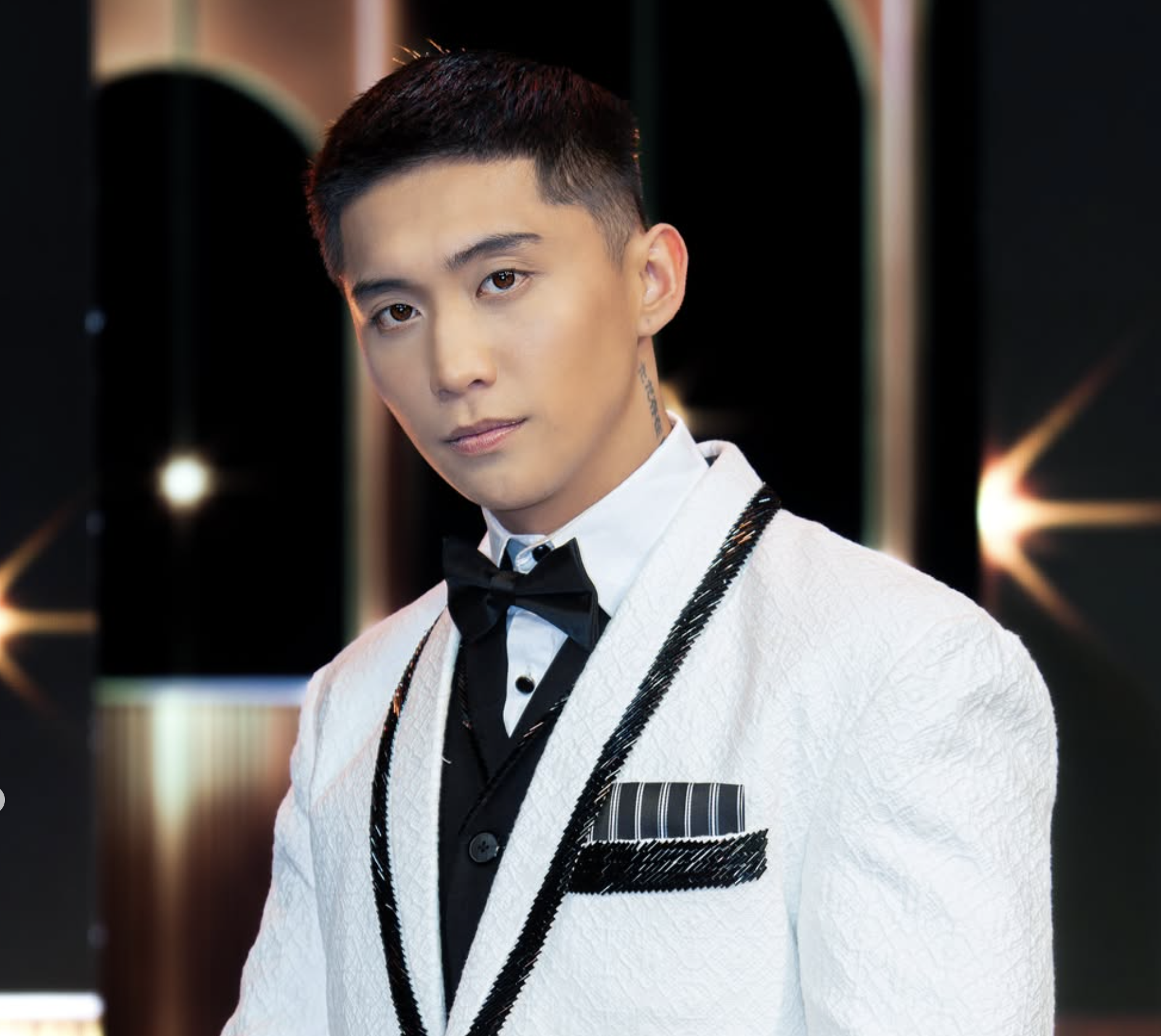
Before he ever put on a sash or answered a question under stage lights, Raymond Paris Cabuco was the kind of student who ate lunch alone and went straight home after class. He studied tourism management in Baguio, sang when he needed an outlet, and kept mostly to himself — nothing about him suggested pageantry was coming.
That changed on August 2, 2026, when Cabuco was named Mister Globe Philippines 2026 at the Mister World Philippines finals in Pasay City — one of eight international assignments the pageant hands out in a single night, with Aaron Beau Davis taking the headline Mister World Philippines title. Cabuco also won Best in Formal Wear and the evening’s top talent award, a decisive night for someone who’d entered his first local pageant just three years earlier, in 2023, after friends kept pushing him to try.
Singing gave Cabuco a creative outlet long before pageantry did. Competing is what taught him to use that voice in a room where people were actually looking at him — a skill that has nothing to do with the string of titles now attached to his name.


The Accidental Candidate
Cabuco entered his first pageant in 2023 the way a lot of first-timers do — as an experiment, pushed along by mentors who saw something in him he didn’t yet see in himself. He went in with no real ambitions.
“Honestly, I don’t think there was one exact moment,” Cabuco tells ELYSPLANET. “It was more of a gradual realization. When I first joined pageantry in 2023, I was simply trying something that people encouraged me to do. But as I went through the experience, I discovered that pageantry was giving me something I didn’t know I needed. It challenged me to communicate, to understand myself better, and to become more confident.”
Cabuco doesn’t describe his change as some dramatic before-and-after. It reads more like a slow recalibration — less about winning, more about who the process was turning him into.
“The turning point was when I realized that the crown wasn’t really the reason I was enjoying the journey,” he reflects. “I enjoyed the person I was becoming because of it. That’s when I thought, maybe this is something I’m meant to pursue.”
He hasn’t tried to erase the shy version of himself, either. “That shy Raymond is still here,” Cabuco explains. “He reminds me to stay humble, to listen, and to appreciate how far I’ve come. The difference now is that I no longer allow shyness to decide what I can or cannot do.”


Beyond the Postcard: Place and Heritage
Wearing a sash with your city’s name on it means something different when you’ve spent four years studying how that city gets sold to outsiders. Cabuco holds a tourism management degree, and it shows in how he talks about Baguio — less like a hometown booster, more like someone protective of how the place gets represented.
Baguio’s coverage tends to flatten it into the same few storylines — urban overload, weekend traffic, a running list of where to eat. Cabuco’s argument is that there’s a lot more underneath that postcard version, and it deserves real stewardship, not just promotion.

“People sometimes see Baguio simply as a tourist destination, a place to visit because of the cold weather and pine trees,” Cabuco says. “Because I studied tourism, I learned that promoting a place isn’t just about showing its attractions. It’s about understanding its people and respecting the culture that makes the destination unique. I want people to see Baguio not only as a beautiful city, but as a gateway to the rich cultural heritage of the Cordillera.”
That same framing carries into his advocacy for Cordilleran textiles — he talks about them as living historical documents, not red-carpet costumes. “For me, they represent identity, heritage, craftsmanship, and generations of knowledge,” Cabuco notes. “When we showcase Cordilleran culture internationally, we’re telling the world that these traditions are alive, meaningful, and worth preserving.”


Voice, Performance, and Purpose
Cabuco won the national Talent award at Mister World Philippines, and singing is genuinely how he thinks about communication — more instinct than stage skill.
His own initiative, Harmony With Hope, is built around school visits and mentorship programs — putting him in front of students directly rather than just lending his name to a cause. For someone who used to struggle putting thoughts into words around other people, singing was his first working vocabulary for emotion.
“Singing was one of the first ways I learned how to express myself,” he reflects. “When you’re singing, you’re not just producing sound. You’re telling a story, communicating emotion, and allowing people to feel something through you. Pageantry is very similar. Singing helped me become comfortable expressing myself, while pageantry taught me how to use that voice beyond the stage. Having a voice is a responsibility. If people are willing to listen, you should have something meaningful to say.”
He’s seen that play out directly. “There are moments when you don’t necessarily need someone to give you advice. Sometimes, you just need a song that makes you feel understood,” Cabuco adds. “If a song can make even one person feel less alone, then I believe it has already served a greater purpose.”


The Global Assignment
Philippine male pageantry has a well-documented instability problem — multiple titleholders juggling overlapping assignments, franchises that come and go. Standing out in that mess takes more than a good stage presence.
Cabuco went into the national competition expecting to compete for the Mister World Philippines title itself, representing Baguio. Getting named Mister Globe Philippines instead meant an immediate reset of expectations.
As of this posting, Mister Globe’s official website is down and its social media hasn’t been updated in some time. Early word is that the 2026 edition will be held in the Philippines this November, though that’s not yet officially confirmed.
“My first thought was honestly, ‘Is this really happening?'” Cabuco recalls. “I entered with the mindset of representing Baguio and doing my best. Suddenly, you’re carrying the Philippines, you’re carrying Baguio, and you’re carrying all the people who believed in you. It was a moment of gratitude, but also a reminder that the journey was becoming bigger than me.”
As he preps for the international stage, Cabuco pushes back against the version of male pageantry that gets reduced to gym numbers and runway swagger. “For me, the crown should represent more than appearance,” Cabuco says firmly. “A modern titleholder should have the ability to communicate, to understand the world around him, and to stand for something meaningful. What makes someone deserving is what happens when the cameras are gone. Are you still respectful? Are you still willing to learn? A crown becomes meaningful when the person wearing it understands that it is a responsibility, not just a reward.”

Looking back at the kid who used to eat lunch alone, Cabuco has a message for him.
“I would tell him, ‘You’ve come a long way, but don’t forget where you started,'” Cabuco reflects. “I’d tell my younger self to take more chances, believe in himself, and not be afraid of stepping outside his comfort zone. Sometimes, the opportunities that scare you the most can lead you to places you never expected.”
Pingback: Six Titleholders Now Carry Mister Island Philippines. A Seventh Already Quit. | ELYSPLANET